
“Gaff” or “gaffe”? It’s a common dilemma that can trip up even the most seasoned writers. While these two words sound nearly identical, they carry entirely different meanings. Understanding the distinction between “gaff” and “gaffe” can help us avoid embarrassing mistakes in our writing.
A “gaff” typically refers to a tool used in fishing or a blunder in theatre, while a “gaffe” is a social or verbal mistake. Mixing them up might seem minor, but it can change the meaning of a sentence entirely. Let’s jump into the nuances of these words to ensure we use them correctly and confidently in our communication.
Key Takeaways
- Definition Distinction: “Gaff” refers to a fishing tool or a blunder in theatre, while “gaffe” means a social or verbal mistake.
- Context-Specific Usage: Use “gaff” in contexts like fishing and home (British slang), and “gaffe” in social and diplomatic scenarios.
- Common Misuses: Mixing up the terms can lead to significant misunderstandings, such as confusing a fishing instrument for a social error.
- Cultural Examples: “Gaff” appears in seafaring literature and fishing media, whereas “gaffe” is often noted in political and media blunders that draw public attention.
- Avoiding Mistakes: Practising context clues, spelling tips, and sentence substitution exercises can help English learners use these words correctly.
Understanding The Terms: Gaff And Gaffe
Understanding the nuances between “gaff” and “gaffe” can enhance our effective communication. These homophones sound identical but differ significantly in meaning and usage.
Definition Of Gaff
Gaff is a noun with several distinct meanings:
- It refers to a sharp metal spike or spur fastened to the leg of a gamecock.
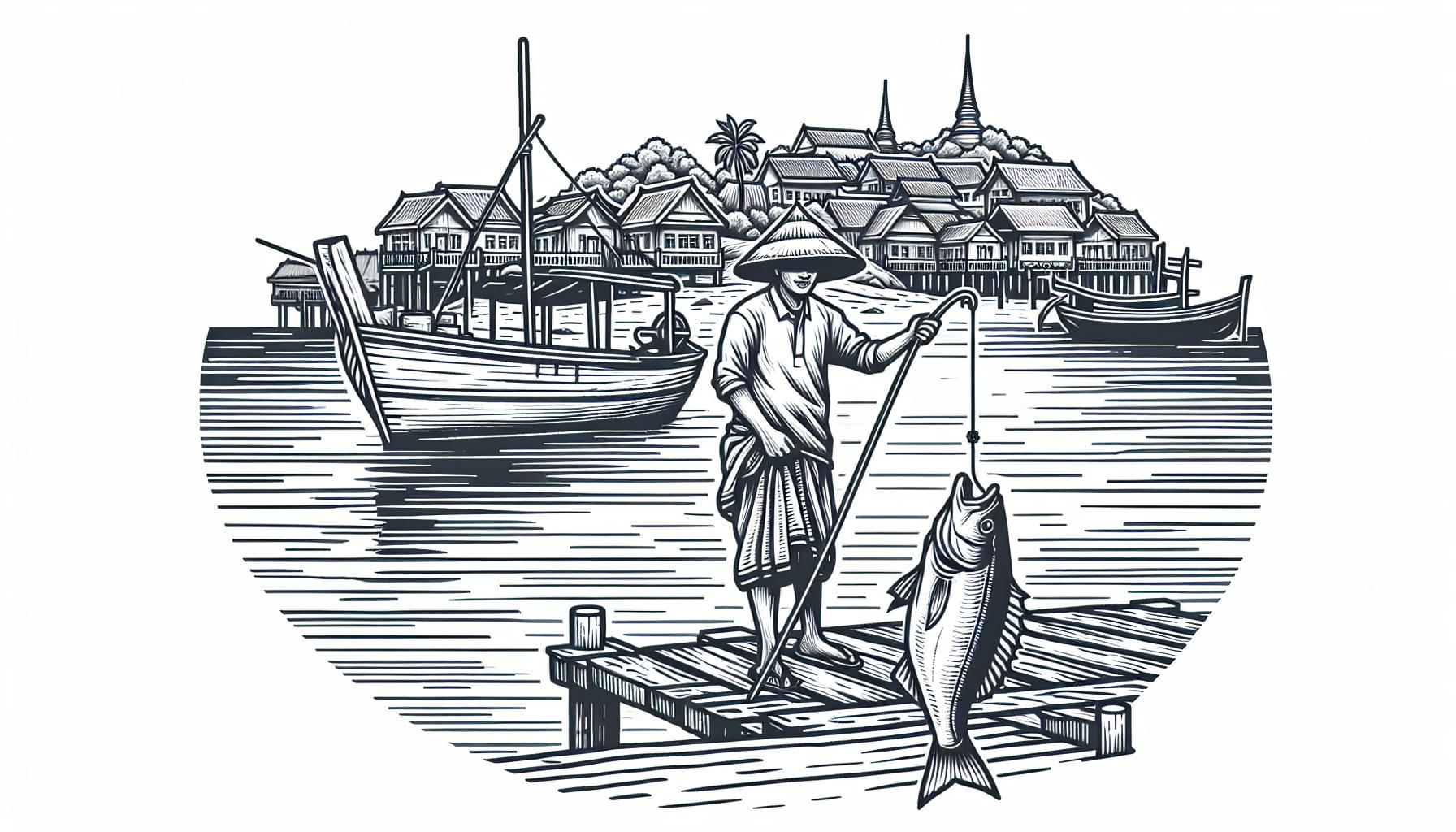
- In fishing, it describes a long hook with a handle used for landing or handling large fish or other animals.
- In sailing, a gaff is a spar rising aft from a mast to support the head of a quadrilateral fore-and-aft sail.
- In British English, “gaff” can also be slang for “home” or denote a disreputable music hall or theatre.
Definition Of Gaffe
Gaffe is a noun that refers to:
- A social or diplomatic blunder, often described as a clumsy social error or faux pas.
- A noticeable mistake or misjudgment, frequently used when someone has made an embarrassing or awkward error.
Understanding these terms assists us in avoiding common mistakes in writing and helps in mastering nuanced language use, which is essential for English learners.
Common Misuses And Confusion
Confusing “gaff” and “gaffe” is common due to their similar pronunciation. We explore the typical errors people make when using these words.
Contextual Blunders
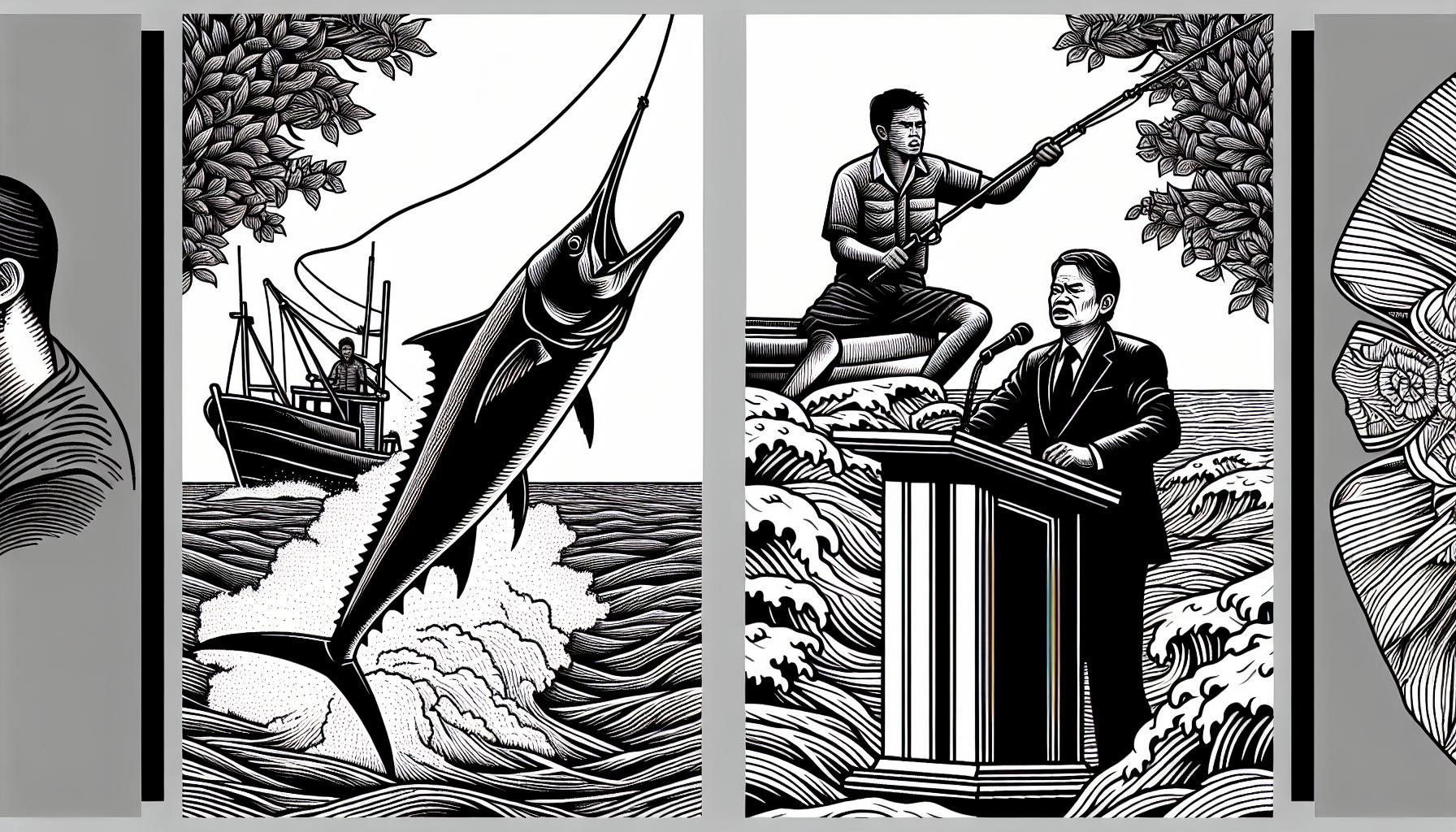
Many mix up “gaff” and “gaffe” because they don’t fully understand each term’s specific context. “Gaff” often appears in fishing or sailing settings. For instance, using “gaffe” instead of “gaff” when describing a tool leads to confusion.
Incorrect Example: “The fisherman used a gaffe to pull the marlin onto the boat.”
Correct Example: “The fisherman used a gaff to pull the marlin onto the boat.”
Similarly, “gaffe” fits discussions about social blunders or public mistakes. Incorrectly using “gaff” in such contexts undermines clarity.
Incorrect Example: “The politician made a gaff during the debate.”
Correct Example: “The politician made a gaffe during the debate.”
Public Examples Of Misuse
Misuses of “gaff” and “gaffe” abound in media and public discourses. Including these words incorrectly affects the message’s precise meaning, especially in business English or language immersion courses.
Political Speeches: Confusing these terms in speeches can mislead audiences. A candidate might say, “I apologise for the gaff I made,” instead of saying, “I apologise for the gaffe I made.”
Media Reporting: Misusing either term in news articles distorts reporting quality. For example, an article could claim, “The actor’s gaffe on stage involved a rigging error,” when it should state, “The actor’s gaff on stage involved a rigging error.”
Understanding the distinct contexts of “gaff” and “gaffe” is crucial in achieving precision, especially for those learning English for exams like IELTS or TOEFL. This clarity ensures effective communication and minimizes errors in professional and everyday scenarios.
Gaff In Popular Culture
Understanding how “gaff” appears in popular culture enriches our vocabulary and highlights the nuanced differences from “gaffe”. We can identify these uses in various contexts, demonstrating its versatility and significance in everyday language.
Usage In Literature And Media
In literature, “gaff” often appears in seafaring novels. Authors use it to describe equipment essential for fishing. For instance, Herman Melville’s “Moby-Dick” includes references to gaffs as tools for whaling. Charles Nordhoff and James Norman Hall’s novels about nautical adventures also use the term frequently. This consistent usage in maritime literature helps reinforce its specific meaning.
Media representations of fishing and sea adventures further embed “gaff” in popular culture. Documentaries and TV shows like “Deadliest Catch” highlight its practical applications in fishing industries. Here, “gaff” serves as a key tool for landing large, challenging catches.
Gaff In Everyday Speech
In everyday speech, “gaff” appears in various contexts beyond fishing. In British slang, people use it to mean “home” or “residence”. For example, someone might say, “Let’s head back to my gaff.” This informal usage adds another layer to the term’s versatility.
Also, we see “gaff” in discussions about theatrical productions. Here, a “gaff” might refer to a blunder during a performance, although this usage is less common and sometimes confused with “gaffe”. Nevertheless, it highlights the term’s broad applicability in different speech scenarios.
By examining “gaff” in these contexts, learners can enhance their English vocabulary and understanding, especially when preparing for language immersion or Business English courses. Recognising the distinct uses of “gaff” and “gaffe” contributes to clearer, more precise communication.
Gaffe In Popular Culture
Gaffes hold a prominent place in popular culture due to their ability to spark significant public debate and media attention.
Political Gaffes
Political gaffes often lead to extensive scrutiny and discourse. Politicians frequently commit verbal errors that incite public and media reaction. For instance, during the 2012 US presidential campaign, Mitt Romney’s “binders full of women” comment became a viral subject. Similarly, in British politics, Boris Johnson’s reference to burka-wearing Muslim women as looking like “letterboxes” caused widespread controversy. These gaffes can impact public opinion and influence elections.
Memorable Media Moments
Gaffes in media moments tend to become cultural touchstones. A prime example is Kanye West’s interruption of Taylor Swift at the 2009 MTV Video Music Awards. This incident resulted in a long-standing feud and heated public discourse. Another memorable moment includes Steve Harvey announcing the wrong winner at the Miss Universe 2015 pageant, creating a global spectacle. Celebrities often find themselves at the centre of such gaffes, leading to prolonged discussion and media coverage.
Such instances highlight the gaffe’s power to resonate widely, keeping audiences engrossed and engaged. Understanding these events helps learners of English courses, IELTS, TOEFL, and Business English to grasp cultural contexts and references, enhancing their language immersion experience.
How To Avoid Mistakes
Understanding the difference between “gaff” and “gaffe” is vital, especially for those learning English. These words sound similar but have distinct meanings, making it easy to confuse them. By following some tips and engaging in practical exercises, we can minimise errors.
Tips And Tricks
Spelling
Remember “gaffe” ends with an “e,” which stands for “error,” helping you distinguish it from “gaff.”
Context Clues
Use context clues to determine the correct word:
- If discussing social situations, use “gaffe.”
- When referring to tools or homes, use “gaff.”
Practical Exercises
Sentence Substitution
Create sentences replacing “gaff” and “gaffe” appropriately:
- Original: “The speaker made a major gaff during the meeting.”
- Corrected: “The speaker made a major gaffe during the meeting.”
Flashcards
Use flashcards with definitions and examples:
- Front: “gaffe”
- Back: “A social or verbal mistake (e.g., He avoided a potential gaffe during the interview.)”
Practising these tips and exercises increases confidence while using “gaff” and “gaffe” and aids those engaging in IELTS, TOEFL, and Business English courses.
Conclusion
Mastering the nuances between “gaff” and “gaffe” is essential for clear and precise communication. By understanding their unique meanings and contexts, we can avoid common mistakes that often lead to confusion. Whether we’re discussing fishing tools, social blunders, or cultural references, using the right term is crucial.
We’ve explored practical tips and exercises to help distinguish between these words effectively. As we continue to refine our language skills, let’s remember, attention to detail can significantly enhance our communication, especially in professional and educational settings.
Frequently Asked Questions
What is the main difference between “gaff” and “gaffe”?
The main difference lies in their meanings and contexts. “Gaff” can refer to a fishing tool, a spar in sailing, or British slang for “home.” “Gaffe” denotes a social or verbal mistake.
How can “gaff” be used in sentences?
“Gaft” can be used in various contexts. Examples include: “He used a gaff to land the large fish,” or “He headed back to his gaff after the party.”
What are some common examples of “gaffe”?
Common examples of “gaffe” include public mistakes by politicians or celebrities, such as saying the wrong thing during a speech or making a social blunder.
Why do people often confuse “gaff” and “gaffe”?
People often confuse these words due to their similar pronunciation but distinct meanings. Understanding their specific contexts helps to avoid this confusion.
How can I avoid mixing up “gaff” and “gaffe”?
Remember that “gaff” relates to tools or homes, whereas “gaffe” is an error. Use context clues and practice with sentence substitution and flashcards to reinforce correct usage.
Can “gaff” refer to anything other than a fishing tool?
Yes, “gaff” can also mean a spar in sailing, a theatrical blunder, or British slang for “home” or a disreputable venue.
What are some famous “gaffes” in popular culture?
Some famous gaffes include Mitt Romney’s “binders full of women” comment and Steve Harvey announcing the wrong Miss Universe winner.
How is “gaff” used in popular culture?
“Gaft” appears in seafaring literature like “Moby-Dick” as fishing equipment and in media like “Deadliest Catch” for its practical applications in fishing.
Are there practical tips for distinguishing between “gaff” and “gaffe”?
Yes, remember “gaffe” has an “e” for “error.” Use context to decide the correct word—”gaffe” for social mistakes and “gaff” for tools or homes.
Why is understanding the difference between “gaff” and “gaffe” important?
Understanding the difference enhances communication clarity and prevents writing errors, especially in professional settings and language learning contexts like IELTS or TOEFL.

The British Language School's management team consists of dedicated professionals with a deep passion for education. With years of collective experience in language instruction and academic development, they are committed to providing top-tier learning opportunities for all students. Each member brings a wealth of knowledge and innovative approaches to modern education, ensuring that both teachers and learners thrive in a dynamic, supportive environment.