

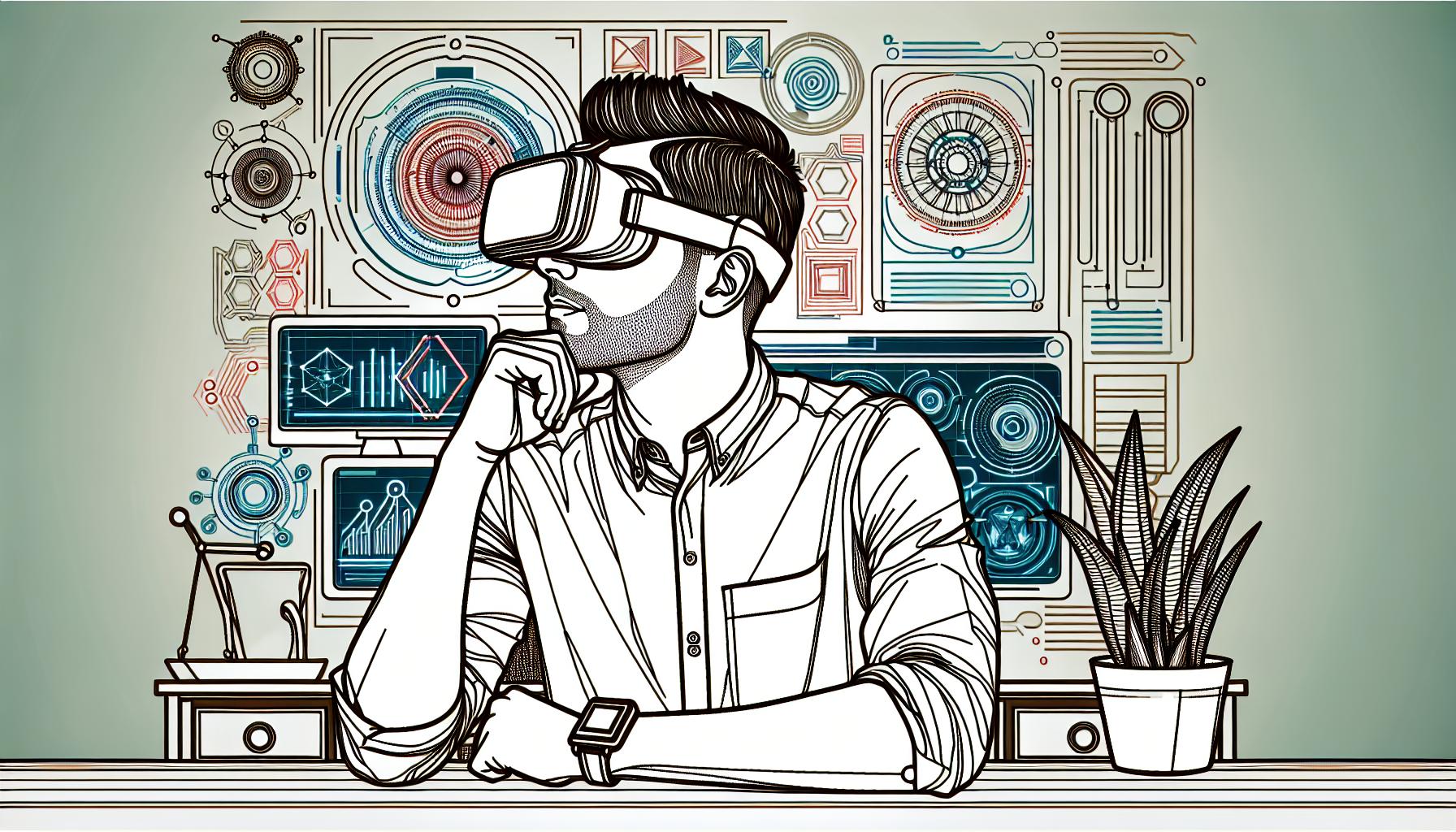
“Virtual or virtuous” isn’t just a clever play on words; it’s a question that challenges how we navigate our increasingly digital lives. As technology reshapes everything from our relationships to our workspaces, we often find ourselves questioning whether we’re losing touch with authenticity or simply redefining it.
In a world where virtual interactions dominate, the line between convenience and genuine connection can blur. Are we embracing a future full of possibilities or sacrificing the values that ground us? Let’s explore how this balance shapes our choices and impacts our lives.
Key Takeaways
- The concept of “virtual or virtuous” highlights the tension between digital convenience and authentic values in our increasingly virtual lives.
- Virtual worlds and technologies offer transformative opportunities, enhancing connectivity, education, and workplace efficiency while creating new challenges around ethical accountability.
- Virtuous living in the digital age requires balancing virtual activities with real-world ethical principles to foster genuine connections and align behaviours with integrity.
- Ethical dilemmas in virtual spaces, such as misinformation and privacy concerns, emphasise the need for cyber-wisdom and virtue-oriented decision-making.
- Striking a balance between technological advancements and virtuous principles ensures that innovation aligns with human values and serves the greater good.
Understanding The Concept Of “Virtual Or Virtuous”
The concept of “virtual or virtuous” explores distinctions between surface-level representations and authentic contributions. In analysing our digital interactions, the term raises questions about the depth and impact of modern practices across various domains.
In system redesign, “virtuous” embodies cycles of meaningful improvement, as seen in the SYRCS methodology. This approach emphasises shared value creation by aligning societal, environmental, and business objectives. For example, integrating critical thinking and decision-making to foster fair, accessible, and sustainable initiatives reflects virtuous actions. In contrast, “virtual” within this context may highlight appearances over substantive outcomes, revealing potential superficiality in strategies that lack real change.
Ethically, “virtual or virtuous” dives into moral authenticity. While “virtuous” indicates actions rooted in principle and integrity, “virtual” may represent simulations or imitations of ethical commitment. This lens enables us to consider how choices, whether digital or tangible, align with broader values and whether they uphold genuine principles or mere façades.
In rethinking these paradigms, we examine forms of engagement, accountability, and impact, urging us to evaluate if our actions contribute authentically to progress or operate as symbolic gestures.
The Rise Of The Virtual World

Virtual worlds, often referred to as metaverses, represent a transformative shift in how we interact, communicate, and experience technology. These immersive, 3D environments offer both opportunities and challenges, redefining the boundaries of societal and personal engagement.
Evolution Of Virtual Experiences
Virtual experiences have come a long way since their inception. Early platforms like Club Penguin introduced blocky, two-dimensional interactions, primarily aimed at social play. Today, we see highly advanced and immersive environments like Second Life that simulate entire societies in three-dimensional detail. These virtual worlds foster interconnectedness through extended reality (XR) technologies, allowing users to engage in real-time as avatars, adapting to their preferences.
The transition from simple games to life-like representations has been driven by rapid advancements in computing power, graphics, and networking capabilities. This evolution has expanded virtual worlds’ reach beyond leisure into areas like education, corporate collaboration, and even language immersion. For example, companies now harness these platforms for immersive business English training or scenario-based IELTS preparation, providing learners with an authentic and engaging context.
Impact On Society And Lifestyle
Virtual worlds have significantly impacted our society and lifestyle. Over 3,700 firms, research organisations, and public institutions in the EU actively develop virtual world technologies. This sector’s growth is creating an estimated 860,000 new extended reality-related jobs by 2025. These developments reshape industries, bridging physical and digital divides.
Our lifestyles reflect these shifts as more people socialise, learn, and work within virtual environments. Virtual platforms enable synchronous communication in shared spaces, enhancing remote teamwork and global connections. Meanwhile, opportunities like language immersion courses—integrating real-world utility like TOEFL preparation—build meaningful experiences while exploring these digital realms.
By intertwining technology with our routines, virtual worlds are not only altering how we engage but are also encouraging us to question what we consider virtuous or superficial within these spaces.
Virtuous Living In A Digital Age
Virtuous living in the digital age requires deliberate efforts to align our online and offline behaviours with ethical principles. This involves the application of wisdom, ethical frameworks, and moral integrity in exploring digital interactions while fostering authentic connections.
Ethical Dilemmas In Virtual Spaces
Ethical dilemmas in virtual spaces challenge our ability to make principled decisions. Cyber-wisdom—practical wisdom applied online—becomes vital in addressing issues like misinformation, cyberbullying, and privacy breaches. For instance, sharing verified information rather than sensational untruths demonstrates integrity. Similarly, promoting inclusivity and respect in digital communication reflects a virtuous commitment to empathy and fairness.
Drawing from Aristotle’s virtue ethics, the focus is not on enforcing rules but cultivating habits conducive to moral excellence. The Stoics emphasise rational decision-making, which is essential when exploring the complexities of virtual communication. Adopting these traditions helps us rise above digital superficiality and make choices that serve the greater good.
Balancing Virtual And Real-World Values
Balancing virtual and real-world values requires harmonising our digital activities with authentic life principles. While virtual engagements, like discussing shared interests online, offer meaningful interaction, prioritising genuine, offline relationships ensures deeper, lasting connections.
Investing equal effort in personal growth and character building in both spheres reinforces our ethical foundations. Using cyber-wisdom, we evaluate whether specific digital actions, such as engaging in debates or supporting causes, align with virtuous intentions rather than seeking superficial validation.
Applying a virtue ethics framework helps maintain congruence between our digital personas and real-world identities. By fostering accountability and purpose-driven interactions, we craft a lived experience that integrates our values seamlessly across both dimensions.
Comparing Virtual And Virtuous Approaches
Exploring the virtual and virtuous concepts reveals significant contrasts in their origins, applications, and impact on modern behaviour and ethics.
Benefits Of Embracing The Virtual
Virtual approaches enhance accessibility and connectivity globally. They allow people to engage in diverse activities, from professional meetings in virtual offices to immersive education platforms. For instance, online resources like English courses or IELTS preparation tools enable learners to develop language proficiency without geographical restrictions.
Flexibility is a crucial advantage of virtual systems. For businesses, virtual environments reduce operational costs and improve efficiency by enabling remote working and collaboration. Similarly, virtual learning platforms offer self-paced modules, making it easier for individuals to balance work, studies, and personal commitments.
Broad reach and scalability are additional benefits. Virtual conferences, virtual reality (VR) training, and webinars connect participants worldwide, offering inclusive opportunities for knowledge sharing and skill development.
Challenges Of Maintaining Virtue
Virtuous approaches emphasise integrity and genuine ethical practices, but maintaining them in the digital world poses difficulties. Social media and digital platforms often encourage superficiality, prioritising appearances over substance. Authenticity can get diluted amidst curated content and quick gratification.
Conflict arises in aligning virtual behaviours with ethical values. For example, issues like online misinformation, cyberbullying, and data privacy concerns challenge moral accountability. Applying virtue principles requires consistent effort to foster respect, honesty, and kindness in all interactions.
Finding balance between digital efficiency and ethical responsibility is crucial. By practising virtue ethics, inspired by principles like honesty and fairness, individuals can ensure that their digital engagements reflect their real-world values. This helps cultivate meaningful connections and avoid actions that merely simulate virtuous intent.
The Future Of “Virtual Or Virtuous”
Exploring “virtual or virtuous” forces us to rethink our approach to technological progress and ethical considerations. These ideas shape how advancements integrate with human moral frameworks.
Technological Advancements And Moral Implications
Advancements like algorithmic decision-making and virtual warfare pose critical moral questions. Algorithms powered by AI and deep learning make autonomous decisions that often surpass human comprehension. While they enhance productivity, issues like algorithmic collusion can breach fair competition laws. For example, self-learning algorithms in pricing models might unintentionally coordinate pricing, harming market fairness.
In military applications, the integration of virtual warfare technologies offers enhanced precision. Technologies such as drones and precision munitions minimise collateral damage by targeting specific threats accurately. But, ethical concerns arise when decisions like launching strikes are delegated to machines, potentially detaching humans from accountability and moral judgement. Balancing efficiency against potential abuse becomes crucial in managing these advancements.
Striking A Harmonious Balance
Maintaining harmony between technology and ethics requires intentional evaluation. While virtual systems promote accessibility and innovation, ensuring that these systems reflect integrity and fairness is vital. For instance, ethical frameworks like Aristotle’s virtue ethics can guide us in fostering moral habits, such as transparency in virtual engagements or accountability in decision-making processes.
Aligning virtual advancements with virtuous principles also involves prioritising human values. By ensuring technologies serve the greater good—like enhancing education, healthcare, and security—we encourage a future where development and ethics coexist. Focusing on responsible usage adds meaningful value to progress, preserving its virtue amidst virtual evolution.
Conclusion
As we navigate the ever-evolving digital world, the choice between virtual and virtuous becomes more critical than ever. It’s not just about embracing technology but ensuring it aligns with our values and contributes meaningfully to society. By fostering genuine connections and prioritising ethical principles, we can harness the potential of virtual advancements without compromising our integrity.
The future of our digital interactions depends on our ability to balance innovation with accountability. Let’s strive to create a world where technology enhances our lives while staying rooted in authenticity and purpose.
Frequently Asked Questions
What is the main idea of the article?
The article explores the balance between virtual interactions and authentic connections, discussing whether digital advancements are eroding authenticity or reshaping it. It encourages readers to evaluate their online and offline behaviours, promoting ethical engagement and meaningful connections.
What does “virtual or virtuous” mean?
“Virtual or virtuous” compares surface-level digital interactions (virtual) with authentic, ethically-driven actions (virtuous). The concept urges people to engage meaningfully in digital and real-life contexts while aligning their actions with integrity and principles.
How does the article address ethical dilemmas in virtual spaces?
The article highlights issues like misinformation and cyberbullying, advocating for “cyber-wisdom” and virtue ethics to cultivate moral excellence. It emphasises the need to align online behaviours with offline values for ethical responsibility.
What role does SYRCS play in the article?
SYRCS is a framework outlined in the article that emphasises shared value creation by aligning societal, environmental, and business objectives. It promotes meaningful, principled contributions in both virtual and real-world spaces.
How do virtual worlds influence society?
Virtual worlds like metaverses revolutionise how people socialise, work, and learn, fostering global connectivity. They create opportunities but also challenge traditional notions of authenticity and ethical engagement in digital spaces.
How can individuals balance virtual and real-world values?
The article stresses prioritising genuine offline relationships while engaging meaningfully online. Using Aristotle’s virtue ethics framework, individuals can integrate values across both dimensions, maintaining accountability and fostering purposeful interactions.
What are the key challenges of virtual systems?
Virtual systems increase accessibility and global connectivity but risk superficial interactions and ethical dilemmas like misinformation. Balancing technological efficiency with ethical responsibility is essential to ensure meaningful impact.
How does the article approach the future of virtual and virtuous concepts?
The article urges aligning technological advancements with moral frameworks, like virtue ethics, to ensure accountability. It envisions a future where technology and ethical considerations coexist for human benefit.
What is the importance of virtue ethics in the digital age?
Virtue ethics focus on cultivating habits that promote moral integrity over rule enforcement. The article encourages applying this framework to harmonise digital and real-world values, ensuring responsible and meaningful interactions.
How does the article encourage meaningful change online?
The article advocates aligning online behaviours with ethical principles through frameworks like SYRCS and virtue ethics. This ensures digital interactions contribute authentically rather than being merely symbolic or superficial.

The British Language School's management team consists of dedicated professionals with a deep passion for education. With years of collective experience in language instruction and academic development, they are committed to providing top-tier learning opportunities for all students. Each member brings a wealth of knowledge and innovative approaches to modern education, ensuring that both teachers and learners thrive in a dynamic, supportive environment.