

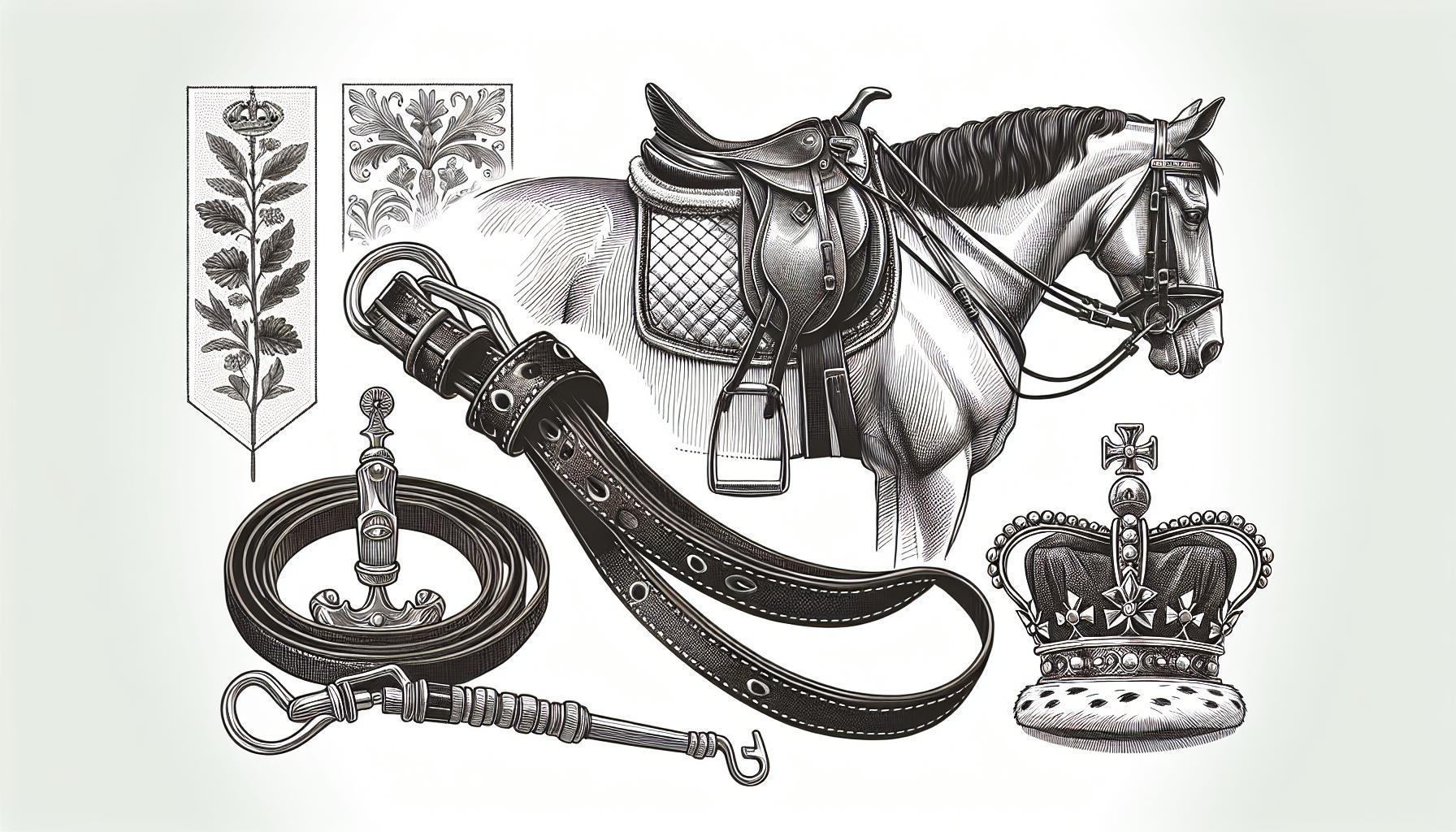
“Rein” or “reign”? It’s a common conundrum that often trips us up. While they sound alike, their meanings couldn’t be more different. Knowing when to use each word can elevate our writing and ensure we’re communicating clearly.
Let’s break it down. “Rein” refers to the straps used to control a horse, symbolising control or restraint. On the other hand, “reign” is all about ruling with authority, often associated with monarchs. By understanding these distinctions, we can avoid embarrassing mistakes and enhance our linguistic precision.
Key Takeaways
- Homophones Explained: “Rein” and “reign” sound alike but have distinct meanings, vital for clear communication and avoiding common mistakes.
- Definition and Usage of “Rein”: Refers to a strap used to control a horse or metaphorically control/limit actions. Examples include “take the reins” and “rein in.”
- Definition and Usage of “Reign”: Denotes the period a monarch rules or metaphorically a period of dominance. Examples include “reign supreme” and “reign of terror.”
- Importance of Distinction: Understanding these differences is crucial for writing clarity, especially in academic and professional settings.
- Common Mistakes and How to Avoid Them: Awareness of their meanings helps in avoiding errors, particularly in phrases like “free rein” (correct) vs. “free reign” (incorrect).
- Practical Tips: Regularly practice contextual usage, include in language exercises for exams like IELTS and TOEFL, and consult authoritative sources to enhance accuracy and language proficiency.
Overview of Rein and Reign
Rein and Reign are homophones; both sound identical but carry different meanings and spellings.
Rein
- Noun: A rein denotes a long, narrow strap connected to a horse’s bit, allowing the rider to control the horse.
- Verb: To rein means to control or restrain something or someone. This control can be literal, as in managing a horse, or metaphorical, like reining in emotions or processes.
- Examples:
- “She tried to rein her emotions after listening to such mournful news.”
- “The rider fastened the rein to the horse carefully.”
- “Given free rein, he would have worked for students’ welfare.”
- Noun: A reign refers to the period during which a monarch or sovereign rules over a kingdom or empire. It can also denote any period of dominant control or influence in a particular sphere.
Understanding the difference between “rein” and “reign” improves writing clarity, a critical skill for those learning English, including IELTS and TOEFL candidates.
Rein: Definition and Usage

Let’s investigate into the word “rein” and its various applications.
Meaning of Rein
Reins, in a physical context, are straps made of leather or other materials. They’re attached to a bridle bit in a horse’s mouth, allowing the rider to guide the horse’s speed and direction. This control mechanism is essential for horse riding, ensuring both safety and precision.
In a metaphorical sense, “rein” means to control or restrain something non-physical. For instance, we might need to rein in excessive spending or unruly behaviour. This usage is common in everyday language and various professional contexts. By understanding the dual nature of “rein,” learners of English, including those preparing for tests like IELTS and TOEFL, can enrich their vocabulary and writing skills.
Common Phrases and Examples
Common phrases featuring “rein” provide further clarity on its usage:
- Take the reins: This means to assume control. For example, “After the manager left, Sarah took the reins of the project.”
- Give free rein: This means to allow complete freedom. For example, “The artist was given free rein to design the mural as they saw fit.”
- Rein in: This means to control or limit. For example, “We need to rein in our expenses before the end of the fiscal year.”
In horse riding, we could say, “The rider reined in the horse to prevent it from bolting.” In a business context, we might state, “The CEO had to rein in the budget to ensure financial stability.”
By familiarizing ourselves with these examples, we can better understand and use the term “rein” in multiple scenarios, enhancing our Business English vocabulary and overall language proficiency.
Reign: Definition and Usage
Definition
Reign refers to the period during which a monarch, king, or queen rules or holds royal office. It functions as both a noun and a verb.
- As a noun: It signifies the duration of a monarch’s rule or the period of dominance of an entity or concept.
- “Queen Elizabeth II’s reign has spanned over six decades.”
- “The reign of Henry VIII lasted 56 years.”
- As a verb: It means to rule or have absolute power, or figuratively, to exist everywhere.
- “The king reigned over the kingdom with wisdom.”
- “Silence reigned in the empty theater.”
Meaning of Reign
The term reign closely associates with the exercise of power or authority, often in a royal or monarchic context. But, it can also describe the dominance or prevalence of something in a particular area. For instance, referring to the time during which a concept or an entity prevailed over others or had a significant influence.
Common Phrases and Examples
Certain phrases use reign to convey the idea of dominant control or influence:
- “Reign supreme”: To hold supreme power or authority over others.
- Example: “Technology reigns supreme in today’s business world.”
- “Reign of terror”: A period marked by widespread fear and violence.
- Example: “During the dictator’s rule, a reign of terror gripped the nation.”
Understanding these phrases enriches language proficiency, which is particularly useful for those preparing for English tests like IELTS or TOEFL.
Comparing Rein and Reign
Understanding the difference between “rein” and “reign” is crucial for those learning English, particularly for those preparing for exams like IELTS or TOEFL.
Key Differences
Rein
- As a Noun: “Rein” refers to a long, narrow strap attached to a horse’s bit, used to guide or check the horse while riding or driving.
- As a Verb: It means to check or guide by pulling on the reins or, more broadly, to control or restrain someone or something.
- Example: “She tried to rein her emotions after listening to such mournful news.”
- Example: “China has ‘most responsibility’ to rein in North Korea, says Turnbull.”
Reign
- As a Noun: “Reign” refers to the period during which a sovereign rules or, more generally, a period of dominance or power.
- Example: “During the reign of Queen Elizabeth in the UK, India was struggling for freedom.”
- Example: “Queen Elizabeth II’s reign has spanned over six decades.”
Contextual Usage
In business English and other professional contexts, correctly using “rein” and “reign” can significantly improve the clarity and precision of your communication. For instance, in a corporate setting, one might say, “He had to rein in his spending,” compared to “Her reign as CEO transformed the company.”
Misusing these homophones can lead to confusion and misinterpretations, particularly in formal and academic settings. Familiarity with their differences and proper contexts enhances overall language proficiency, aiding in achieving higher scores in English language exams and improving daily communications.
By mastering these distinctions, we enhance our ability to express nuances in control and authority, key elements in both personal and professional discourse. Knowing how to rein in our impulses or recognising the reign of a significant leader can add depth and accuracy to our conversations and written communication. This understanding is especially beneficial for those in language immersion programs or those taking intensive English courses aimed at perfecting their language skills.
Common Mistakes
Understanding the difference between “rein” and “reign” is crucial for clarity in writing. Common errors often arise in phrases where these homophones are used.
How to Avoid Errors
Being aware of the definitions and uses of “rein” and “reign” helps steer clear of mistakes. Remember, “rein” relates to control or restraint, often in the context of horses, while “reign” pertains to rule or dominance, typically in a royal context.
One significant area where confusion occurs is the phrase “free rein” versus “free reign.” “Free rein” is correct, signifying unrestricted liberty of action or decision. For example, in business English, using “free rein” appropriately can demonstrate precise communication skills.
- Practice Contextual Usage: Review sentences where “rein” and “reign” are used to understand their context. For instance, “She gave her team free rein to innovate,” versus “The monarch’s reign spanned 50 years.”
- Include in Language Exercises: When preparing for exams like IELTS or TOEFL, incorporate exercises that involve the correct use of “rein” and “reign.” This helps reinforce the correct applications in various contexts.
- Consult Authoritative Sources: Use dictionaries or language resources to verify the meanings and usage examples of these words. Language immersion programs often provide tools and activities that highlight such homophones.
Incorporating these strategies into your daily practice enhances accuracy and helps avoid common mistakes with “rein” and “reign,” making your writing clear and professional.
Conclusion
Understanding the difference between “rein” and “reign” is essential for clear and effective communication. By grasping their distinct meanings and proper contexts, we can enhance our writing skills and avoid common pitfalls. Whether we’re preparing for English proficiency tests or aiming to improve our professional communication, mastering these homophones will undoubtedly elevate the quality of our writing. Let’s commit to practising these distinctions and consulting reliable sources to ensure our language remains precise and professional.
Frequently Asked Questions
What is the main difference between “rein” and “reign”?
“Rein” refers to the straps used to control a horse and symbolises control or restraint. “Reign” relates to ruling with authority, usually by a monarch. Understanding these differences is key to clear and error-free writing.
How is the word “rein” used in sentences?
“Rein” can be a noun, referring to the strap, or a verb, meaning to control or restrain. For example, “She loosened the reins” (noun) and “He needs to rein in his anger” (verb).
Can you explain the uses of the word “reign”?
“Reign” as a noun signifies the period a monarch rules or the domination period of any entity. As a verb, it means to rule or have absolute power. Examples: “The queen’s reign lasted 50 years” (noun) and “The king reigns over his country” (verb).
What are common phrases involving “rein”?
Common phrases include “free rein,” meaning unrestricted freedom of action. Example: “She was given free rein to manage the project.”
What are common phrases involving “reign”?
Examples include “reign supreme,” meaning to be the most dominant, and “reign of terror,” denoting a period of harsh rule. Example: “The dictator’s reign of terror instilled fear.”
How can I avoid confusing “rein” and “reign”?
To avoid confusion, pay attention to context. “Rein” relates to control or restriction, while “reign” is about ruling or dominance. Regular exercises and consulting authoritative sources can help.
Why is it important to understand the difference between “rein” and “reign”?
Knowing the difference enhances writing clarity and professionalism, particularly useful for English proficiency tests like IELTS and TOEFL. It helps avoid common mistakes and communicates effectively.

The British Language School's management team consists of dedicated professionals with a deep passion for education. With years of collective experience in language instruction and academic development, they are committed to providing top-tier learning opportunities for all students. Each member brings a wealth of knowledge and innovative approaches to modern education, ensuring that both teachers and learners thrive in a dynamic, supportive environment.