

Key Takeaways
- Definitions Matter: “Serene” relates to inner peace and emotional stability, while “tranquil” pertains to external environments that promote calmness and relaxation.
- Mental Health Benefits: Cultivating a serene mindset can reduce anxiety and enhance emotional resilience, positively impacting mental health.
- Physical Wellness Connection: Tranquil environments foster relaxation, leading to lower stress levels and improved physical health outcomes.
- Mindfulness is Key: Engaging in mindfulness practices such as meditation and yoga can help achieve both serenity and tranquility in daily life.
- Creating Calm Spaces: Simplifying surroundings, choosing soothing colours, and using ambient lighting can significantly enhance the tranquil environment.
- Personal and Situational Preferences: Choosing between seeking serenity or tranquility depends on personal inclinations and situational contexts to nurture well-being effectively.
When we think about the concepts of serene and tranquil, both evoke images of peacefulness and calm. Yet, there’s a subtle distinction that sets them apart. Understanding these terms not only enriches our vocabulary but also enhances our appreciation for the moments of stillness in our lives.
Serenity often refers to a state of inner peace, while tranquility emphasises an external calmness. By exploring these nuances, we can better express our feelings and experiences. Join us as we jump into the essence of serene and tranquil, uncovering their meanings and how they shape our understanding of peace in our everyday lives.
Understanding Serenity and Tranquility
Serenity and tranquility represent nuanced aspects of peace, each with distinct qualities. Understanding these terms enhances our appreciation for the calm they evoke in our lives.
Definition of Serene
“Serene” refers to a state of inner peace and calmness. This term describes an individual’s emotional state and implies a sense of composure, even amidst chaos. For instance, someone may remain serene during a stressful situation, reflecting a deep inner strength and self-control. The concept often aligns with feelings of contentment and clarity that arise from a tranquil mind.
Definition of Tranquil
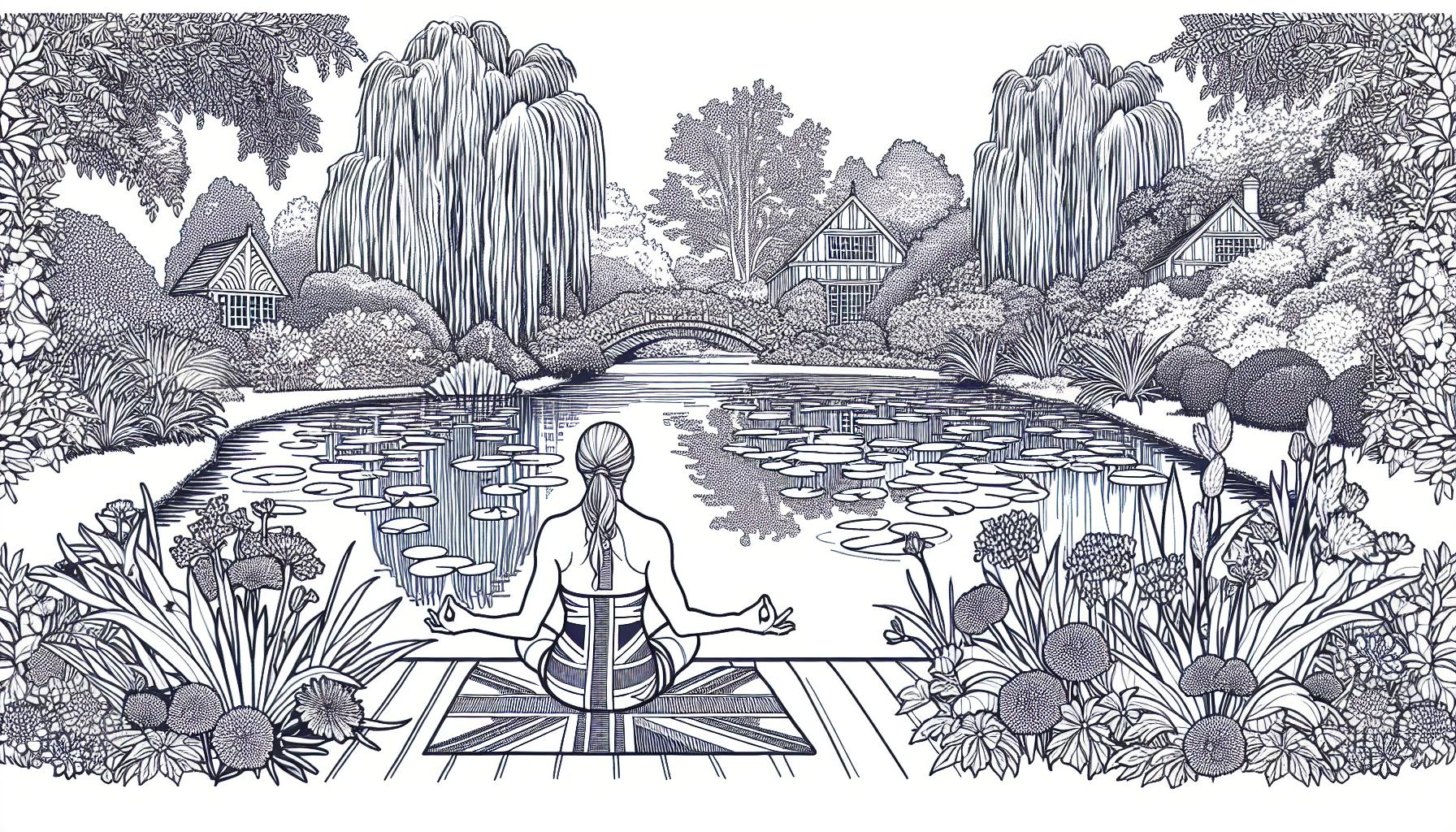
“Tranquil” characterises an external environment that is peaceful and quiet. This term often describes locations, like a tranquil garden or a calm lake. Such places foster relaxation and a sense of well-being. The absence of disturbance in a tranquil setting allows for momentary escape from the busyness of everyday life, promoting overall mental and emotional health.
The Importance of Serenity and Tranquility

Serenity and tranquility play essential roles in our mental and physical health. Both states cultivate overall well-being and enhance our quality of life.
Benefits for Mental Health
Serenity fosters emotional stability and reduces anxiety. Cultivating a serene mindset provides us with a stable sense of contentment, allowing us to handle life’s challenges effectively. Research by Kreitzer et al. (2009) and Wolfradt et al. (2014) confirms that higher serenity levels correspond with lower anxiety and depression rates. Such emotional well-being contributes to our mental resilience.
Impact on Physical Well-being
Tranquility positively influences our physical health. Environments that embody tranquillity, like peaceful gardens or calm lakes, promote relaxation and stress relief. Reduced stress leads to lower blood pressure, improved immune function, and enhanced vitality. A serene atmosphere supports recovery from illnesses and boosts our general physical condition, contributing to a harmonious lifestyle.
Ways to Cultivate a Serene or Tranquil Environment
We can cultivate a serene or tranquil environment through several effective strategies that encourage mindfulness and peace.
Mindfulness Practices
Engaging in mindfulness practices fosters a sense of serene awareness. Techniques such as meditation help us focus on the present moment, reducing stress and anxiety. Deep breathing exercises allow us to centre ourselves, promoting relaxation. Yoga integrates movement and mindfulness, enhancing both our mental and physical well-being. Regularly dedicating time to these practices ensures we maintain a tranquil mindset and environment.
Creating a Calm Space
We can create a calm space by incorporating several key elements.
- Declutter and simplify our surroundings to eliminate distractions and promote focus. A clutter-free area enhances our mood and supports relaxation.
- Mindful colour choices such as soft, neutral hues, contribute positively to our emotions. Pastels and cool tones create a soothing atmosphere, contrasting with bright or bold colours that may stimulate.
- Ambient lighting plays a crucial role. We should opt for soft, warm light through dimmer switches, candles, or string lights, while maximising natural light whenever possible. Harsh, bright lights disrupt the tranquility we seek.
- Incorporate nature by adding plants or natural elements. These aspects bring a refreshing sense of calm and connect us to the serenity found in the natural world.
By embracing these strategies, we effectively foster a serene and tranquil environment in our daily lives.
Serene or Tranquil: Which is Right for You?
Understanding whether to embrace serenity or tranquility depends on our personal needs and situations. Both states contribute to overall well-being but resonate differently with us.
Personal Preferences
Personal preferences play a significant role in choosing between serene and tranquil experiences. Some individuals may gravitate towards serenity, seeking inner calm through practices like meditation or reflective prayer. This approach fosters emotional stability and cultivates deep personal clarity. Others may favour tranquility, desiring peaceful settings like a quiet park or a beach to unwind. By recognising our inclinations, we can tailor our environments to enhance our peace. Embracing our unique preferences allows us to cultivate conditions that support our mental and emotional health effectively.
Situational Considerations
Situational considerations also influence our choice between serenity and tranquility. Certain contexts, such as stressful work environments, may necessitate a focus on finding inner serenity to navigate challenges. In contrast, tranquil moments can be more beneficial for relaxation during leisure time. We might seek serene spaces for reflection, while tranquil surroundings may be ideal for social gatherings. Assessing the demands of various situations helps us harness the most suitable state for the moment. By aligning our choices to the circumstances we face, we can nurture our sense of peace and fulfil our specific needs.
Conclusion
Embracing serenity and tranquility can profoundly impact our lives. By understanding their unique qualities we can make informed choices that cater to our emotional and environmental needs. Whether we seek inner peace through mindfulness or create calming spaces around us these practices can enhance our overall well-being.
As we navigate the complexities of life it’s essential to remember the importance of both states. Integrating them into our daily routines not only fosters a sense of calm but also strengthens our resilience. Let’s commit to cultivating these peaceful experiences and elevate our quality of life.
Frequently Asked Questions
What is the difference between serenity and tranquility?
Serenity refers to a state of inner peace, characterised by emotional calmness and strength, even amid chaos. Tranquility, on the other hand, describes a peaceful external environment, such as a quiet garden or calm lake, that fosters relaxation. While both evoke feelings of calm, they focus on different aspects of peace.
How do serenity and tranquility impact mental health?
Serenity promotes emotional stability and reduces anxiety, contributing to lower rates of anxiety and depression. Tranquil environments aid stress relief, improving overall well-being. Both states are crucial for mental resilience and enhancing the quality of life.
What strategies can I use to cultivate serenity?
To cultivate serenity, consider mindfulness practices such as meditation, deep breathing exercises, and yoga. These techniques can help you develop a serene awareness and manage stress effectively, enabling inner peace.
How can I create a tranquil environment at home?
To create a tranquil space, declutter your area, choose calming colour palettes, use soft ambient lighting, and incorporate natural elements like plants. These changes can significantly contribute to a peaceful atmosphere that promotes relaxation.
Which is better for me, serenity or tranquility?
Choosing between serenity and tranquility depends on your personal needs and situations. If you seek inner calm, consider mindfulness practices; if you prefer peaceful settings, focus on creating a tranquil environment. Tailor your approach based on what suits you best.

The British Language School's management team consists of dedicated professionals with a deep passion for education. With years of collective experience in language instruction and academic development, they are committed to providing top-tier learning opportunities for all students. Each member brings a wealth of knowledge and innovative approaches to modern education, ensuring that both teachers and learners thrive in a dynamic, supportive environment.