

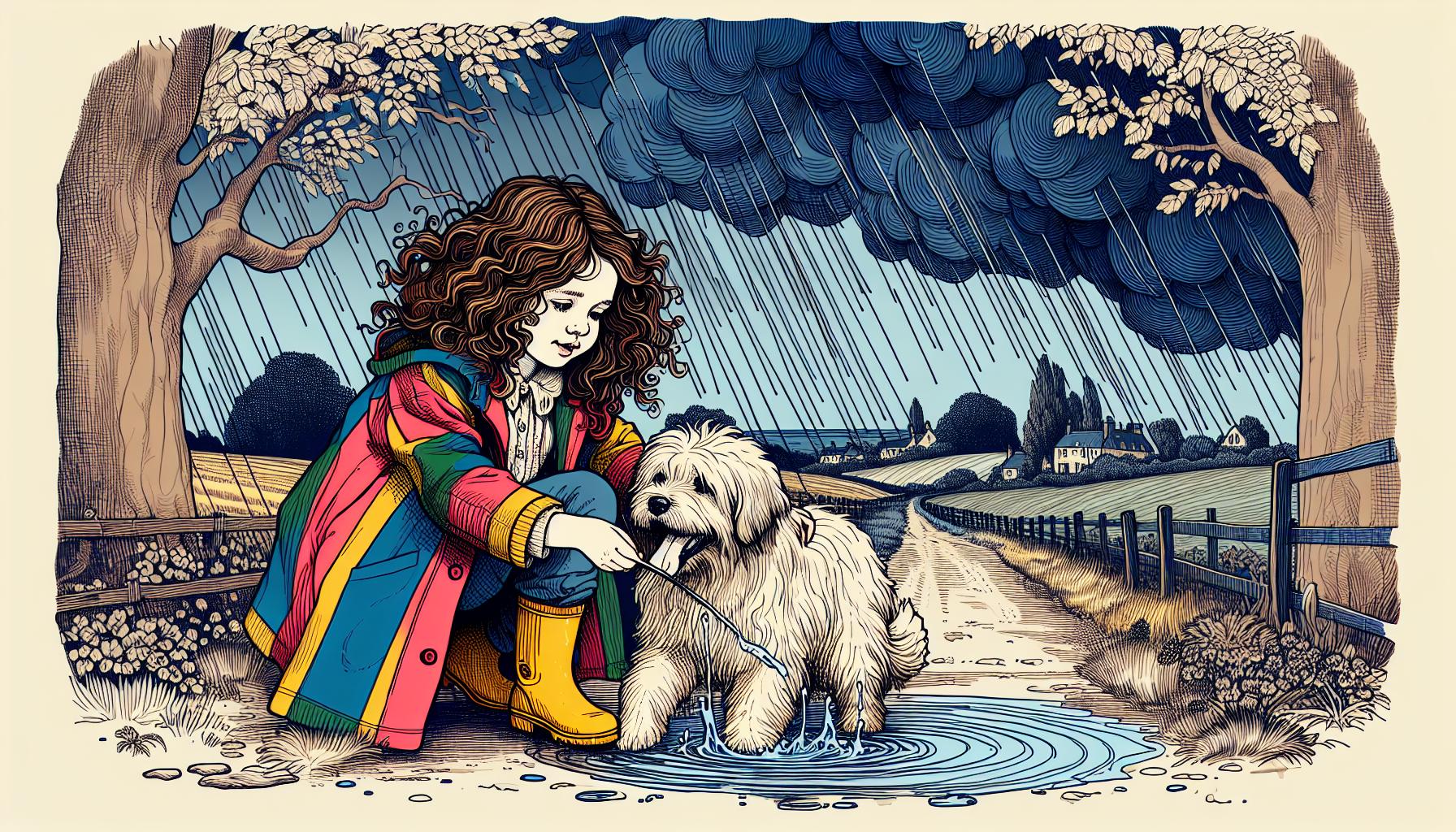
“Rain” or “reign”—these homophones might sound identical, but they couldn’t be more different in meaning. As we navigate the English language, understanding the distinction between these words is crucial. “Rain” refers to the weather phenomenon that brings water from the sky, nourishing our lands and sometimes dampening our plans. On the other hand, “reign” signifies the period during which a sovereign rules, often associated with power and authority.
In our daily conversations and writings, mixing up “rain” and “reign” can lead to amusing misunderstandings or even misinterpretations. By clarifying their meanings and usage, we can communicate more effectively and avoid those pesky language pitfalls. So, let’s investigate into the intriguing area of homophones and explore how these two simple words can have such diverse implications. Understanding their differences not only enriches our vocabulary but also enhances the clarity of our communication.
Key Takeaways
- Understanding Homophones: Grasping the differences between “rain” and “reign” is vital for clear communication, and it can prevent misunderstandings in both casual and formal English language use.
- Language Nuances: Recognising the distinct meanings and contexts for using “rain” and “reign” enhances vocabulary and communication skills, especially important for language learners and in professional settings.
- Character Portrayal: Rose Howard’s character in “Rain Reign” offers insight into living with autism, highlighting the significance of loyalty, family dynamics, and personal growth within a narrative context.
- Thematic Exploration: The themes of friendship, loyalty, and coping with autism in Ann M. Martin’s “Rain Reign” provide a rich storyline that resonates with readers, fostering empathy and understanding.
- Stylistic Variations: The distinct tone and writing style differences when using “rain” and “reign” reflect their varied implications, offering learning opportunities for language students preparing for tests like IELTS or TOEFL.
Overview Of “Rain Or Reign”
The terms “rain” and “reign” often cause confusion for those learning English due to their similar pronunciation. Understanding their distinct meanings can benefit anyone preparing for English language tests like IELTS or TOEFL. “Rain,” as a noun, refers to water droplets falling from clouds, while as a verb, it describes the act of falling in large quantities. For example, we say, “It is going to rain heavily today,” or observe “tears rained down his cheeks.”
In contrast, “reign” relates to sovereignty. As a noun, it denotes the period a monarch rules. For instance, Queen Victoria’s reign lasted 63 years and 7 months. As a verb, it means holding a royal office, like when we state, “The Mughals reigned in India before the Britishers.”
It’s crucial in business English contexts to distinguish these terms to maintain clarity. By exploring “rain” and “reign,” we enhance our vocabulary, ensuring we communicate effectively and avoid misunderstandings. This comprehension aids not only in language immersion but also in professional communication.
Plot Summary

Our story follows Rose Howard, an 11-year-old with Asperger’s syndrome who’s deeply fascinated by homonyms, rules, and prime numbers. She lives with her father in a rural town, enduring his temperamental nature. Central to her life is her dog, Rain, who’s named for its homonyms Reign and Rein—a reflection of Rose’s unique interests.
Rose’s days are marked by strict routines, which provide comfort and predictability. An unexpected storm disrupts this structure, causing rivers to overflow and roads to flood. This natural disaster sets a challenging backdrop, testing the resilience of Rose and her bond with Rain.
Our narrative insightfully captures Rose’s perspective, giving readers an authentic look into her world. Uncle Weldon plays a supportive role, offering guidance and understanding, especially when transporting Rose to school. As the plot unfolds, familial dynamics and personal growth take centre stage, with the storm acting as a catalyst for change.
Themes Explored
“Rain Reign” by Ann M. Martin explores pivotal themes that resonate deeply and highlight essential aspects of the protagonist’s journey.
Friendship and Loyalty
The relationship between Rose Howard, a young girl with autism, and her dog Rain serves as a poignant depiction of loyalty and friendship. Their bond is built on unconditional love, emphasising Rain’s role as Rose’s emotional anchor. When Rain disappears during a storm, Rose’s determined search exemplifies her steadfast loyalty and the depth of their friendship.
Family Relationships
The narrative intricately weaves complex family dynamics, focusing on Rose’s relationships with her father and uncle, Weldon. Her father’s critical and harsh nature contrasts with the supportive and nurturing environment provided by Weldon. This dichotomy highlights the importance of understanding and supporting family figures in fostering growth and acceptance for individuals like Rose.
Coping With Autism
Rose’s autistic traits, such as her fascination with homonyms and strict routines, are central to her character. Her journey reflects the challenges faced by individuals on the autism spectrum, showcasing her resilience and personal growth amid life’s unpredictability. The novel underscores the need for patience and support in helping those with autism navigate their unique paths.
Character Analysis
Exploring “Rain Reign” by Ann M. Martin, we identify the intricacies of its characters’ development, highlighting Rose and Rain’s pivotal roles as the heart of the narrative.
Main Characters
Rose Howard
Rose Howard, our protagonist and narrator, is a fifth-grader with Asperger’s syndrome and OCD. Her character’s uniqueness is expressed through her obsessions with homonyms, prime numbers, and adherence to rules. Rose’s name, itself a homonym, embodies her love of words. Naming her dog Rain, which relates to homonyms reign and rein, signifies her deep connection to this interest.
Even though facing challenges, including neglect from her father and difficulties in school, Rose exhibits brilliance, determination, and empathy. Her resilience shines as she navigates these trials, showcasing personal growth. Her perspective lets us investigate into the world of someone on the autism spectrum, highlighting the importance of understanding and support, parallels that could enrich contexts as diverse as English language courses or lessons on empathy in business settings.
Rain
Rain, the stray dog Rose’s father brings home, becomes her closest companion. Her choice of name reflects her fascination with homonyms. Rain represents loyalty and unconditional love, offering Rose comfort amidst life’s unpredictability.
Supporting Characters
Weldon
Uncle Weldon serves as Rose’s supportive figure. Unlike her father, he’s dependable and caring, often transporting Rose to school and providing a stable environment. Weldon’s presence underscores the narrative’s theme of family dynamics, stressing the critical role of empathy and understanding within familial contexts.
Examining these characters provides insight into the complex interactions and transformative experiences central to “Rain Reign,” resonating with various aspects of learning, whether preparing for language tests like IELTS or understanding business relationships in a professional context.
Writing Style And Tone
When using “rain,” the style typically appears neutral or descriptive. We often see this in weather reports, where facts convey the message. For instance, stating “it started raining” allows readers to grasp the situation without attaching emotions. In poetic descriptions, though, the tone becomes evocative, allowing for an emotional narrative. By using descriptive language, we create vivid imagery that enhances engagement.
Conversely, “reign” carries a tone of authority and significance. When discussing a monarch’s reign, the style exudes power and control since it represents a period of rule. For example, when stating, “The king reigns over the kingdom,” the verb choice emphasises dominance and leadership. This tone aligns well with Business English contexts, where clarity and assertiveness are crucial.
The differences in tone and style between “rain” and “reign” highlight their distinct meanings, pivotal for those learning English or engaged in advanced English courses like IELTS or TOEFL. Understanding these nuances ensures effective communication, particularly in professional settings, where precision and clarity prevent misunderstandings. Through language immersion, readers can enhance their vocabulary, refining their ability to differentiate between homophones, thereby enriching comprehension in diverse contexts.
Audience Reception
“Rain Reign” by Ann M. Martin has elicited diverse reactions among readers. Some appreciate the narrative for its engaging storytelling and Rose’s distinctive voice. It shines a light on the nuanced experiences of individuals on the autism spectrum, capturing themes of memory and redemption. Reviewers often highlight the authenticity of Rose’s characterization as a strength, noting its potential to foster empathy and understanding in young readers, aligning with objectives in Language Immersion and English courses.
But, some critics express concerns about the portrayal of autism in the book. Certain reviews suggest that Martin’s limited exposure to individuals on the spectrum, citing only a single morning of interaction, may have contributed to a misrepresentation, which some find potentially harmful. This has sparked discussions on the responsibilities of authors in authentically representing diverse experiences, a consideration crucial in developing materials for English language proficiency tests like IELTS and TOEFL, ensuring empathetic and accurate content.
Conclusion
Exploring the homophones “rain” and “reign” alongside Rose’s journey in “Rain Reign” offers a rich world of language and storytelling. Our understanding of these words enhances communication skills crucial for both casual and professional settings. Meanwhile, Rose’s narrative provides a profound insight into the world of autism, friendship, and familial bonds. Her story, intertwined with linguistic themes, invites us to appreciate the nuances of language and empathy. As we reflect on these elements, we’re reminded of the importance of clarity in expression and the power of storytelling in bridging understanding across diverse experiences.
Frequently Asked Questions
What are homophones, and why are they important in English?
Homophones are words that sound the same but have different meanings and often different spellings. Recognising and understanding homophones are crucial in English to avoid confusion and ensure clear communication, especially in professional and academic contexts such as IELTS or TOEFL exams. Proper usage enhances vocabulary and comprehension, reducing misunderstandings in both written and spoken language.
How do “rain” and “reign” differ in meaning?
“Rain” refers to the weather phenomenon involving water droplets falling from the sky and can also be used as a verb for the act of falling. “Reign,” in contrast, relates to sovereignty. As a noun, it describes the period a monarch rules, and as a verb, it means holding royal office. These distinctions are essential to understand for clear and precise communication.
Who is Rose Howard, and what makes her character significant?
Rose Howard is an 11-year-old girl with Asperger’s syndrome and OCD, living in a rural town with her father. Her deep interest in homonyms and prime numbers alongside her structured routines highlight her autistic traits. Rose’s character provides insight into the challenges faced by individuals on the autism spectrum, focusing on themes like friendship, loyalty, and family dynamics, particularly her bond with her dog, Rain.
What role does Rain, the dog, play in the story “Rain Reign”?
Rain, Rose’s dog, symbolises loyalty and unconditional love, providing comfort during life’s unpredictable events. Rain’s presence is pivotal, as it underpins Rose’s emotional growth and resilience. The dog signifies Rose’s connection to language, evident from its name being a homonym, further reflecting her unique perspective and adding depth to the narrative.
Why is understanding the tone and style of “rain” and “reign” important?
Understanding the tone and style of “rain” and “reign” enhances communication effectiveness. “Rain” generally has a neutral or descriptive tone, often used in meteorological contexts, while “reign” conveys authority and power. Recognising these nuances is instrumental for learners engaged in advanced English courses to ensure clarity and avoid miscommunication in professional settings.
How does family dynamic influence Rose’s journey in “Rain Reign”?
Family dynamics deeply influence Rose’s journey, contrasting her relationship with her temperamental father and the supportive environment provided by Uncle Weldon. This contrast underscores the importance of understanding and empathy in familial relationships. The interactions with her family highlight essential themes like the need for support and stability, which are crucial for her personal growth and coping with autism.
What has been the audience response to “Rain Reign”?
“Rain Reign” has elicited varied reactions from audiences. Many appreciate its engaging storytelling and authentic portrayal of Rose’s perspective, which fosters empathy for individuals on the autism spectrum. However, some critique its depiction of autism, suggesting potential misrepresentation due to limited exposure. This has sparked discussions on the importance of authentic representation in literature, particularly for educational contexts like language proficiency tests.

The British Language School's management team consists of dedicated professionals with a deep passion for education. With years of collective experience in language instruction and academic development, they are committed to providing top-tier learning opportunities for all students. Each member brings a wealth of knowledge and innovative approaches to modern education, ensuring that both teachers and learners thrive in a dynamic, supportive environment.