

Key Takeaways
- Understanding Definitions: “Subtle” enhances experiences without overwhelming, while “subdued” evokes calmness and restraint, creating inviting atmospheres.
- Role in Design: Both subtlety and subdued elements are essential in art, fashion, and interior design, guiding viewer perception and emotional response.
- Visual Arts Impact: Subtle elements add balance and depth to artworks, whereas subdued tones foster tranquillity and invite deeper viewer engagement.
- Nuanced Communication: Subtlety in non-verbal and written communication enriches meaning, encourages deeper connections, and enhances overall message delivery.
- Influence of Context: Perception of subtle or subdued cues is heavily influenced by context, affecting emotional interpretation and communication effectiveness.
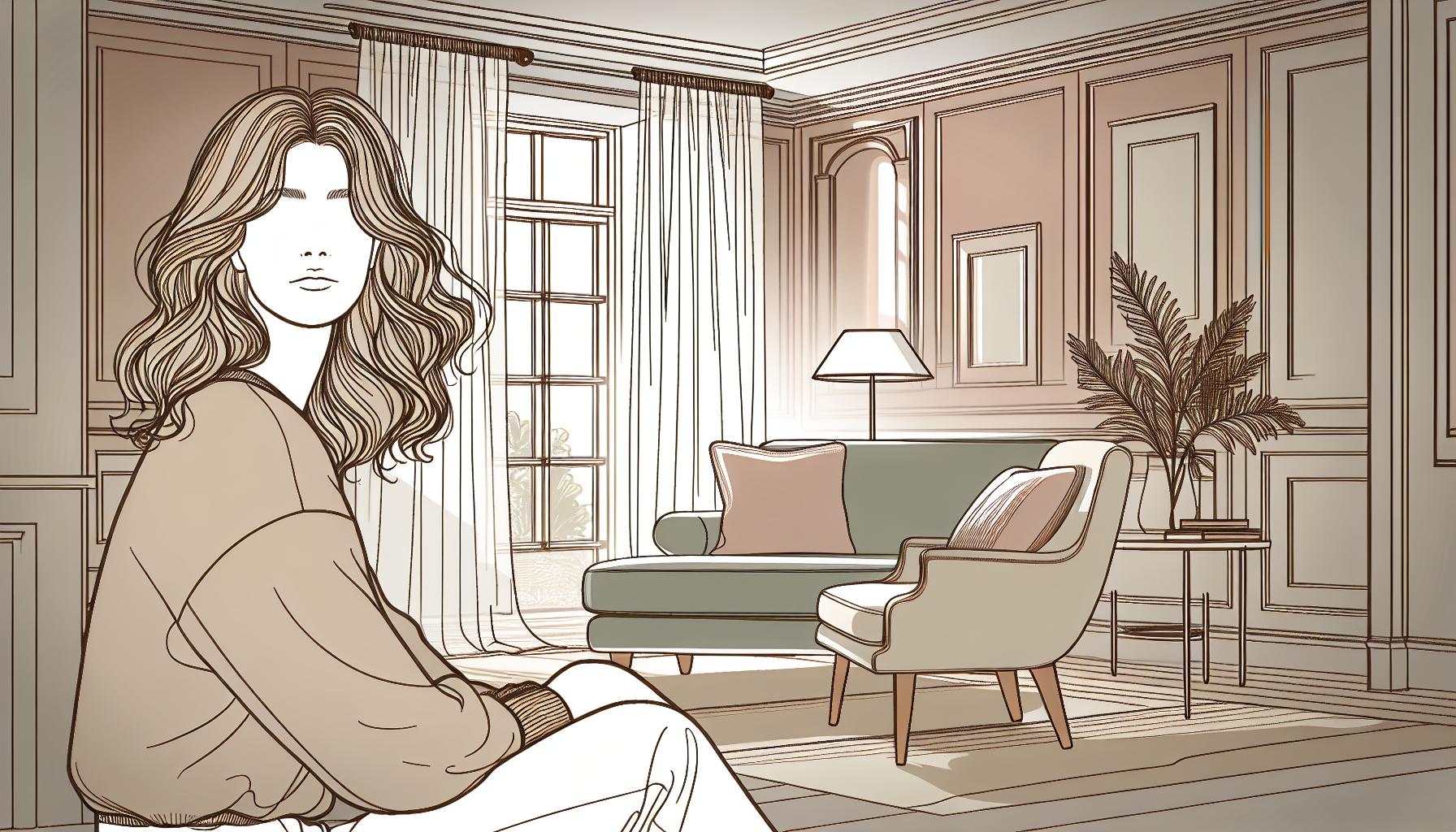
When it comes to design and aesthetics, the terms “subtle” and “subdued” often pop up, each carrying a unique weight in our creative expressions. We might think of subtle as a gentle nudge of colour or a whisper of texture that adds depth without overwhelming. Subdued, on the other hand, evokes a sense of calmness and restraint, creating an atmosphere that’s both inviting and serene.
Understanding the nuances between these two concepts can elevate our approach to art, fashion, and interior design. By exploring how subtlety and subdued elements interact, we can create spaces and styles that resonate deeply, allowing us to express our individuality while maintaining an air of sophistication. Join us as we investigate into the intriguing area of subtle versus subdued, revealing the secrets to mastering these essential design principles.
Understanding Subtlety and Subdued Tones
Subtlety and subdued tones play crucial roles in design and aesthetics, impacting how we perceive and interact with our surroundings. We recognise the importance of these concepts in enhancing creativity across various fields.
The Definition of Subtle
Subtle refers to nuanced qualities that enhance visual or sensory experiences without overwhelming the observer. A subtle element in design, such as a soft pastel colour, adds depth and character while maintaining elegance. An example includes colour palettes that employ slight shifts in hue to create a harmonious blend, elevating the overall aesthetic.
The Definition of Subdued
Subdued describes tones that convey calmness and restraint, often creating an inviting atmosphere. A subdued palette, characterized by muted colours like taupe or sage, fosters tranquillity. In contrast to bright or bold designs, subdued tones help a sense of peace and comfort, allowing details to shine in a more understated manner.
The Importance of Subtle or Subdued Elements in Art

Subtle or subdued elements significantly enhance the overall impact of artworks. They guide viewer perception and evoke specific emotions, thereby deepening the connection between the artwork and its audience.
Visual Arts
In visual arts, the use of subtle elements creates balance and depth. We see how lines influence movement and texture; repeating lines subtly simulate material qualities and add texture without overwhelming the composition. While bold colours attract attention, subdued tones create an inviting atmosphere, allowing for a more profound appreciation of the piece. For example, artworks featuring pale colours often convey serenity and tranquillity, engaging the viewer in a quiet dialogue. Subtle textures further contribute to this depth by adding interest without dominating the composition.
Literature
In literature, subtlety plays a critical role in character and narrative development. Writers often employ nuanced language to convey complex emotions or themes, allowing readers to interpret meaning without overt exposition. This layered approach invites deeper engagement with the text. Subdued descriptions can create a contemplative atmosphere, encouraging reflection and emotional resonance. Through understated dialogue and carefully chosen words, writers enrich their narratives, making the reading experience more immersive and impactful.
Subtle or Subdued in Communication
Subtlety and subdued expressions play vital roles in effective communication. Understanding their distinctions enhances our ability to convey messages meaningfully.
Non-Verbal Communication
Non-verbal communication incorporates subtle signals that significantly impact message interpretation. Important components include:
- Tone and Pitch: Variations in tone and pitch express emotions like enthusiasm and empathy. Subtle changes can convey a sense of urgency without explicit words.
- Body Language and Posture: Body language, such as gestures, and posture influences perception. Confident postures reinforce messages, while subdued body language may suggest hesitation or uncertainty.
These non-verbal cues complement spoken language, enriching our communication style.
Written Communication
Written communication often relies on subtlety to convey deeper meanings. Key aspects include:
- Nuanced Language: Using carefully chosen words creates layers of meaning. Subtle phrasing invites readers to engage more deeply with the text.
- Pacing and Structure: Varying sentence length and organisation can enhance the emotional impact of our writing. A subdued approach may involve softer phrasing that evokes contemplation.
Utilising these elements in our written communication allows for a more impactful expression of thoughts and ideas.
The Role of Context in Perception
Context significantly influences our perception of subtle or subdued cues, particularly about emotional expression. Research shows that interpreting emotional states becomes complex with ambiguity. A study in the PSI CHI Journal of Psychological Research reveals the importance of semantic context in shaping our understanding of emotional stimuli.
Facial expressions, when presented alongside written scenarios, lead us to interpret emotions differently. For instance, a slight smile might evoke feelings of happiness in a cheerful context, whereas the same expression could suggest sarcasm in a different setting. Context so modulates our emotional responses, allowing us to navigate nuanced interactions with greater accuracy.
In various fields, including psychology and linguistics, our grasp of context enhances communication. The subtleties in non-verbal cues—such as body language, tone, and pitch—also shift dramatically based on context. Small variations in these cues can convey significantly different meanings, underscoring the role of context in effective communication.
Understanding the relationship between context and perception is crucial. Incorporating this knowledge strengthens our creative processes in art, literature, and design. We can elevate our work’s emotional impact by recognising how nuanced elements affect viewer experience and engagement. This perspective fosters a deeper appreciation of subtlety and restraint in our creative expressions, enhancing the sophistication of our outputs across various domains.
Conclusion
Embracing the nuances of subtlety and subdued elements enriches our creative expressions across various fields. By recognising the power of gentle enhancements and restrained tones we can create more inviting and sophisticated designs. This understanding not only elevates our artistic pursuits but also enhances our communication skills by allowing us to convey deeper meanings and emotions.
As we continue to explore these concepts in art, literature, and design we invite ourselves to appreciate the beauty found in restraint. Eventually, subtlety and subdued expressions invite us to engage more profoundly with our surroundings and the messages we share. This journey towards embracing these qualities will undoubtedly lead to more impactful and resonant creations.
Frequently Asked Questions
What is the difference between subtle and subdued in design?
Subtlety in design refers to gentle enhancements, like soft pastel colours that add depth without overwhelming. In contrast, subdued elements convey calmness and restraint, using muted colours like taupe or sage to create an inviting atmosphere.
How do subtle and subdued elements enhance creativity?
Understanding subtle and subdued elements enriches creative processes by allowing artists and designers to convey complex emotions and aesthetics, leading to sophisticated and individualistic expressions in art, fashion, and interior design.
Why are subtle elements important in visual arts?
Subtle elements create balance and depth in visual arts, influencing movement and texture. They enhance viewer perception and emotional responses, fostering a deeper connection between the artwork and its audience.
How does language reflect subtlety in literature?
In literature, subtlety plays a critical role in conveying complex emotions and themes through nuanced language and understated dialogue. This richness allows for deeper engagement and a more immersive reading experience.
What role does context play in interpreting subtle cues?
Context significantly influences how we interpret subtle or subdued cues. Emotional expressions, such as body language or facial gestures, can shift in meaning based on surrounding scenarios, impacting communication effectiveness.
How do subtle changes in communication affect understanding?
Subtle changes, like tone or body language, can significantly alter message interpretation. These nuanced expressions help convey emotions and reinforce the underlying message, increasing the impact of communication.
Why should designers focus on subtlety and restraint?
Focusing on subtlety and restraint allows designers to create more sophisticated and aesthetically pleasing environments. These elements foster a deeper appreciation for the creative work, enhancing emotional engagement for the audience.

The British Language School's management team consists of dedicated professionals with a deep passion for education. With years of collective experience in language instruction and academic development, they are committed to providing top-tier learning opportunities for all students. Each member brings a wealth of knowledge and innovative approaches to modern education, ensuring that both teachers and learners thrive in a dynamic, supportive environment.