

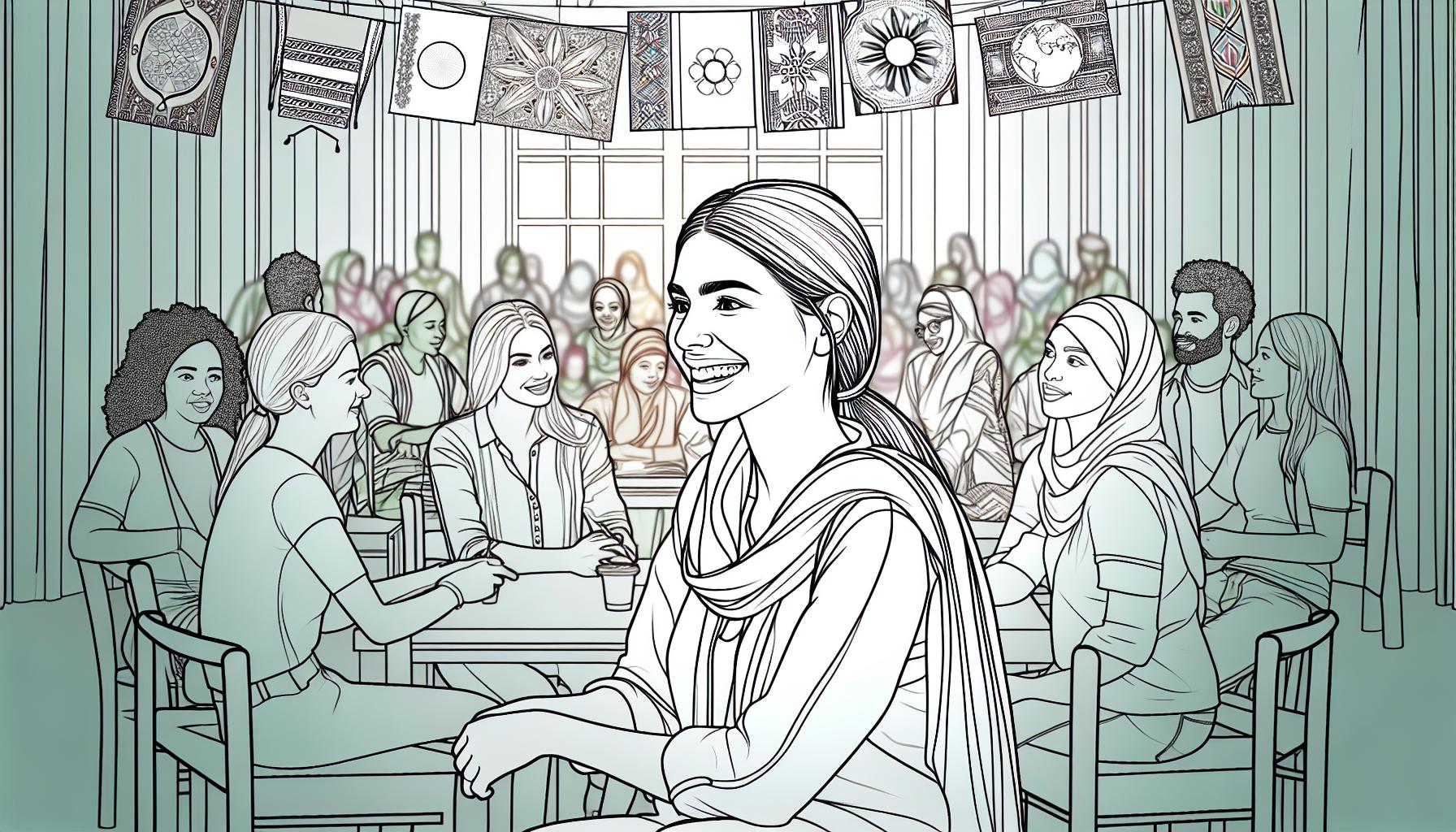
Key Takeaways
- Distinction Between Concepts: Tolerance involves enduring differences, while acceptance requires embracing and valuing those differences for deeper social connections.
- Cultural Influence: Diverse cultural perspectives shape how tolerance and acceptance are understood and practised, influencing social harmony and collaboration.
- Impact on Social Harmony: Promoting tolerance and acceptance is vital for fostering social cohesion, allowing for vibrant cultural dialogues and peaceful coexistence.
- Mental Well-being Benefits: Environments that prioritise acceptance improve mental well-being, reduce stigma, and enhance individuals’ self-esteem and life satisfaction.
- Challenges to Progress: Prejudice, discrimination, and personal biases hinder the shift from mere tolerance to genuine acceptance, necessitating awareness and education.
- Role of Education and Community: Collective efforts in education and community initiatives are essential for promoting tolerance and acceptance, enabling meaningful engagement among diverse perspectives.
In our diverse world, understanding the difference between being tolerant or accepting is crucial. While tolerance suggests a willingness to endure differing views or behaviours, acceptance goes a step further, embracing and valuing those differences. This subtle yet significant distinction shapes our interactions and influences societal harmony.
As we navigate our increasingly interconnected lives, the importance of fostering acceptance becomes more apparent. It’s not just about coexisting; it’s about celebrating the richness that diverse perspectives bring to our communities. By exploring these concepts, we can cultivate a more inclusive environment where everyone feels valued and understood. Join us as we investigate deeper into what it truly means to be tolerant versus accepting.
Understanding Tolerance and Acceptance
Tolerance and acceptance are crucial concepts in our diverse society. While tolerance implies enduring differences in views or behaviours, acceptance embodies embracing and valuing these differences.
Definitions and Differences
Tolerance refers to recognising and allowing the existence of differing opinions or behaviours without necessarily agreeing with them. Acceptance, but, signifies a deeper commitment; it involves integrating and valuing diverse perspectives. This distinction highlights that while we may tolerate others, true progress occurs when we move towards acceptance. Understanding the nuances of these terms enhances our ability to interact meaningfully in various contexts, including education and cultural exchanges.
Cultural Perspectives
Cultural perspectives shape our understanding of tolerance and acceptance. In many cultures, tolerance serves as a foundation for coexistence, particularly in pluralistic societies. But, cultures that prioritise acceptance promote harmony and collaboration among individuals. For instance, in multicultural settings, acceptance encourages a deeper appreciation of cultural heritage and promotes shared values. Exploring these cultural attitudes aids us in developing a more inclusive mindset, critical for fostering environments where everyone feels valued.
Importance of Tolerance and Acceptance

Tolerance and acceptance play vital roles in promoting coexistence and social cohesion in our diverse world. They help us navigate differences and foster understanding among individuals and cultures.
Social Harmony
Social harmony thrives in environments where tolerance and acceptance prevail. Tolerance allows us to recognise and respect each other’s differences, creating a foundation for peaceful coexistence. Acceptance, but, encourages us to actively embrace these differences, leading to enriched social interaction. In communities that celebrate diversity, individuals exchange ideas more freely, creating vibrant cultural dialogues. Internationally, tolerance nurtures relationships among nations, aiding in diplomatic efforts and collaborations.
Mental Well-being
Fostering tolerance and acceptance significantly impacts mental well-being. We create safe spaces where individuals feel valued and understood. Studies highlight that individuals in accepting environments experience lower stress levels, improved self-esteem, and greater life satisfaction. Exposure to diverse perspectives enhances cognitive flexibility, contributing to better problem-solving skills and creativity. Cultivating a culture of acceptance also diminishes stigma, encouraging individuals to express their identities openly. In this way, we promote psychological resilience and a sense of belonging that benefits everyone involved.
Challenges to Tolerance and Acceptance
Challenges to tolerance and acceptance arise from various societal factors that shape our perceptions and behaviours. Recognising these challenges is crucial for fostering a more inclusive environment.
Prejudice and Discrimination
Prejudice and discrimination significantly hinder the progress towards genuine tolerance and acceptance. Prejudice involves preconceived opinions about individuals or groups, often grounded in stereotypes. Discrimination manifests through actions that unfairly treat individuals based on these prejudices. In societies where egalitarian norms prevail, being tolerated can have starkly negative implications for minority groups. Discrimination remains a critical barrier to acceptance and reinforces a cycle of exclusion. Research indicates that minority groups often experience heightened distress in environments where tolerance exists but acceptance is lacking. Establishing inclusive practices aids in dismantling these barriers.
Personal Biases
Personal biases, often unconscious, impede our ability to be fully accepting. These biases can stem from cultural, social, or personal experiences. Education—such as English courses focused on diversity—can enlighten us about our biases and promote understanding. Language immersion programmes enable us to engage with different cultures, which helps challenge our preconceived notions. Actively addressing personal biases paves the way for meaningful connections and deeper acceptance. By confronting our biases, we cultivate environments where both tolerance and acceptance can flourish.
Promoting Tolerance and Acceptance
Promoting tolerance and acceptance relies on collective efforts through education and community frameworks. These strategies foster environments where individuals respect and value diverse perspectives.
Education and Awareness
Education serves as a crucial tool in promoting tolerance and acceptance. Programs like the “Teaching Tolerance” initiative, established by the Southern Poverty Law, shape K-12 students into active participants in democracy. This initiative aims to cultivate inclusiveness, mitigate bias, and advance educational equity across the United States. It provides a variety of educational resources, including books and teaching materials that highlight diversity. We can carry out tolerance education through collaborations with local organisations and community leaders. Integrating tolerance education into English courses, for example, enhances our understanding of diverse cultural norms and values, equipping us to engage meaningfully with varied perspectives.
Community Initiatives
Community initiatives further promote tolerance and acceptance. These programmes foster dialogue and connection among different groups, facilitating understanding and mutual respect. Community events, workshops, and cultural festivals exemplify effective strategies to bring people together, enabling them to learn from one another. Also, initiatives targeting integration, such as language immersion programmes tailored for immigrants or language learners, enhance communication and reduce barriers. Building relationships through shared experiences strengthens community bonds and cultivates a supportive environment. By concentrating on both education and community efforts, we lay the groundwork for a culture where tolerance and acceptance thrive.
Conclusion
Embracing both tolerance and acceptance is essential for nurturing a harmonious society. While tolerance lays the groundwork for coexistence, acceptance invites us to celebrate our differences and enrich our interactions. By prioritising acceptance, we create environments where everyone feels valued and understood, fostering mental well-being and resilience.
As we confront societal challenges and personal biases, it’s crucial to engage in collective efforts that promote understanding and respect. Through education and community initiatives, we can cultivate a culture where both tolerance and acceptance thrive. Together, let’s work towards a future where diversity is not just tolerated but embraced, leading to a more inclusive and connected world.
Frequently Asked Questions
What is the difference between tolerance and acceptance?
Tolerance means allowing and enduring different views or behaviours without necessarily agreeing with them. In contrast, acceptance involves embracing and valuing those differences, fostering a deeper commitment to understanding and integrating diverse perspectives.
Why is acceptance important in our diverse world?
Acceptance promotes harmony and collaboration in an interconnected society. It encourages active engagement with differences, enriching social interactions and fostering greater understanding among cultures, ultimately leading to improved social cohesion.
How do tolerance and acceptance affect mental well-being?
Fostering both tolerance and acceptance contributes to lower stress levels, enhanced self-esteem, and greater life satisfaction. Environments that promote acceptance reduce stigma and support psychological resilience, making individuals feel valued and understood.
What challenges hinder tolerance and acceptance?
Prejudice, discrimination, and personal biases often obstruct genuine acceptance. These factors can create environments where only tolerance exists, causing distress, particularly in minority groups. Overcoming these challenges requires education and engagement with diverse cultures.
How can education promote tolerance and acceptance?
Educational initiatives, such as “Teaching Tolerance,” aim to foster inclusivity and reduce bias among students. By integrating messages of acceptance into curricula, schools can lay the groundwork for future generations to understand and appreciate diversity.
What role do community initiatives play in promoting acceptance?
Community initiatives, like workshops and cultural festivals, provide platforms for dialogue and connection between different groups. These encounters enhance mutual respect and understanding, helping to build communities where tolerance and acceptance are celebrated.

The British Language School's management team consists of dedicated professionals with a deep passion for education. With years of collective experience in language instruction and academic development, they are committed to providing top-tier learning opportunities for all students. Each member brings a wealth of knowledge and innovative approaches to modern education, ensuring that both teachers and learners thrive in a dynamic, supportive environment.